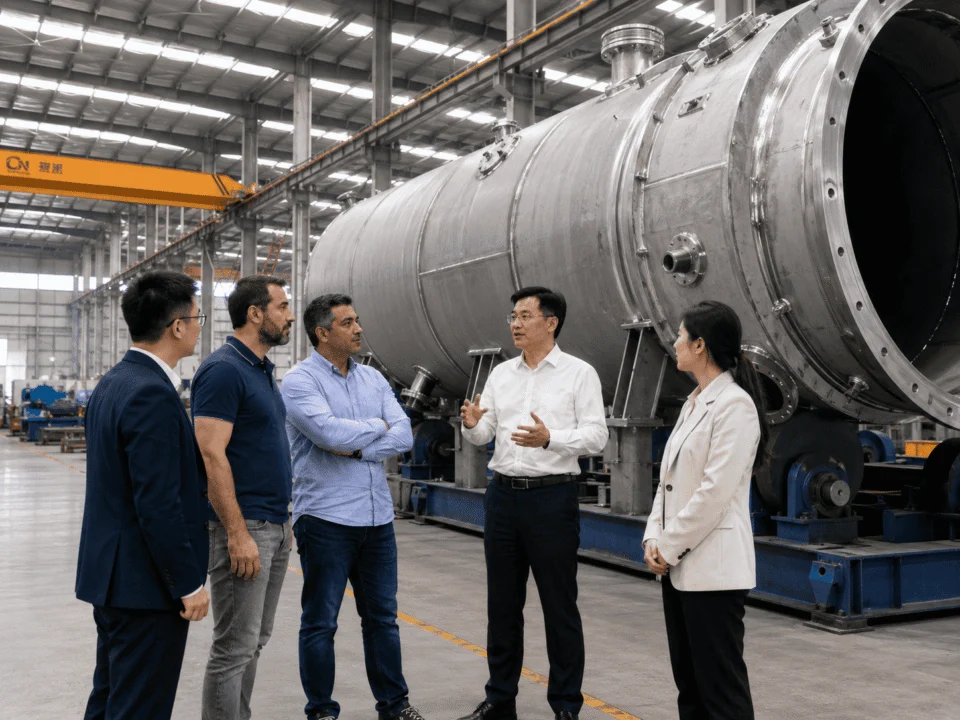
Custom Pressure Vessels, Reactors, Storage Tanks And Process Equipment
Need a custom vessel or process equipment package for your production line? Send your drawing, capacity, medium, pressure and temperature. ChannelVessel will help confirm the suitable equipment type, material and quotation direction before production.
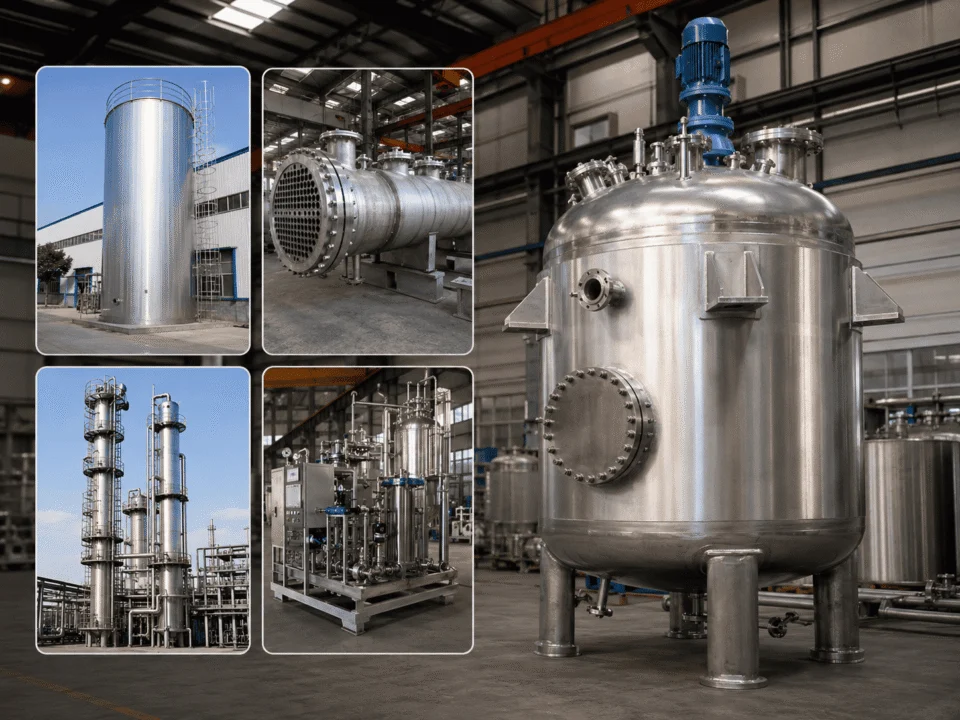
Browse Process Equipment By Product Type
Start with the equipment type that matches your process. Each category page explains typical duties, key design points and what to prepare before requesting a quotation.

Pressure Vessels
Custom pressure-rated, vacuum-rated and jacketed vessels for storage, buffering, reaction or other process service.
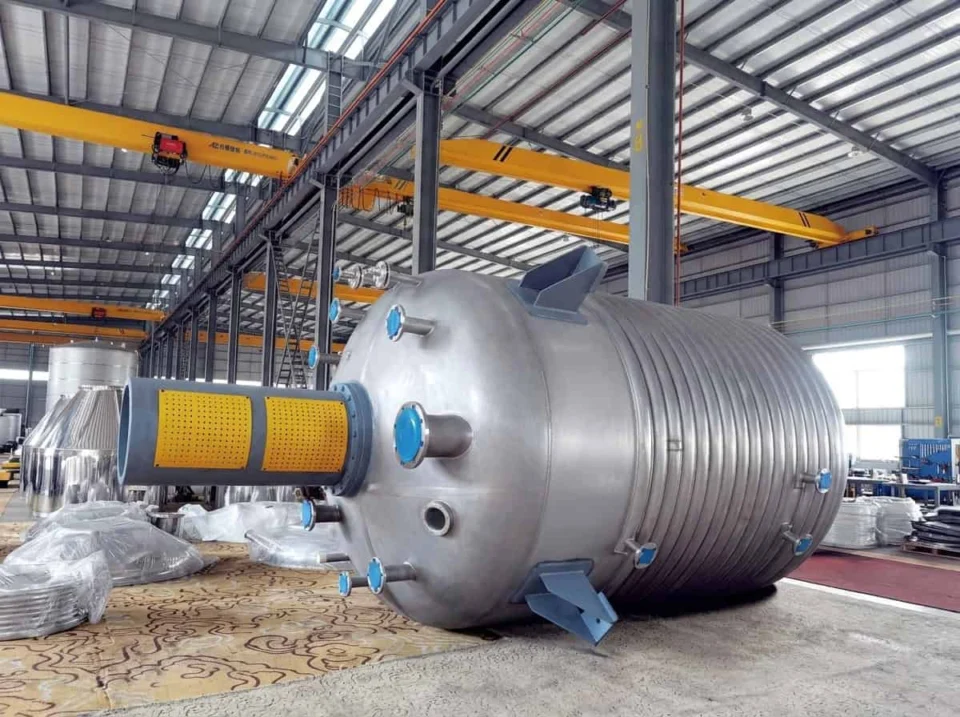
Reactors / Reaction Kettles
For batch reaction, mixing, heating, cooling, vacuum or pressure processes where agitation and temperature control matter.

Storage Tanks
For raw material storage, product holding, sanitary service, chemical storage, heating, insulation or mixing requirements.

Heat Exchangers
Shell-and-tube and custom heat transfer equipment for heating, cooling, condensation, evaporation and heat recovery.
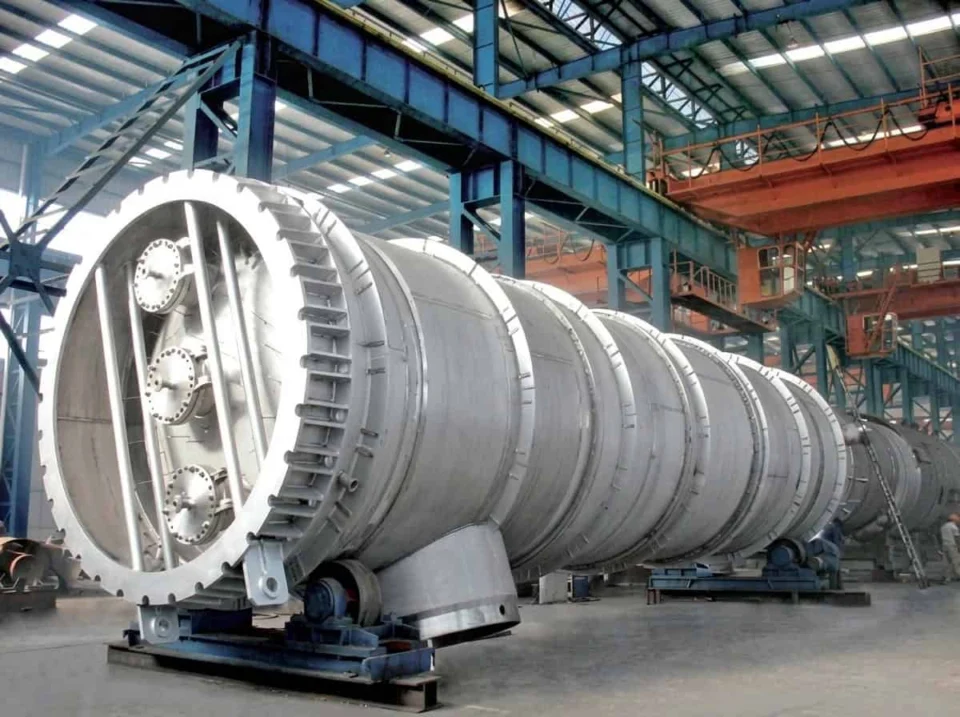
Columns & Towers
Vertical towers and columns for distillation, absorption, stripping, scrubbing and packed tower service.

Separators & Filter Vessels
Custom vessels for gas-liquid separation, oil-water separation, solids removal, filtration and demister applications.

Process Skids
Packaged process systems integrating tanks, vessels, pumps, filters, heat exchangers, piping, valves and instruments.
Send the medium, capacity, pressure, temperature and process goal.
ChannelVessel can help confirm whether your project should start from a tank, pressure vessel, reactor, heat exchanger, tower, separator or skid package.
Choose The Product Family By What The Equipment Needs To Do
If you are still comparing product names, start here. A simple process description is usually enough to tell whether you need a storage tank, pressure vessel, reactor, heat exchanger, separator, tower or a complete skid package.
Choose this path when the vessel mainly stores or holds material.
This is the right starting point for buffer tanks, finished-product tanks, feed tanks and pressure-rated vessels. The main question is whether the unit is atmospheric, vacuum-rated, pressure-rated, insulated, heated or fitted with mixing.
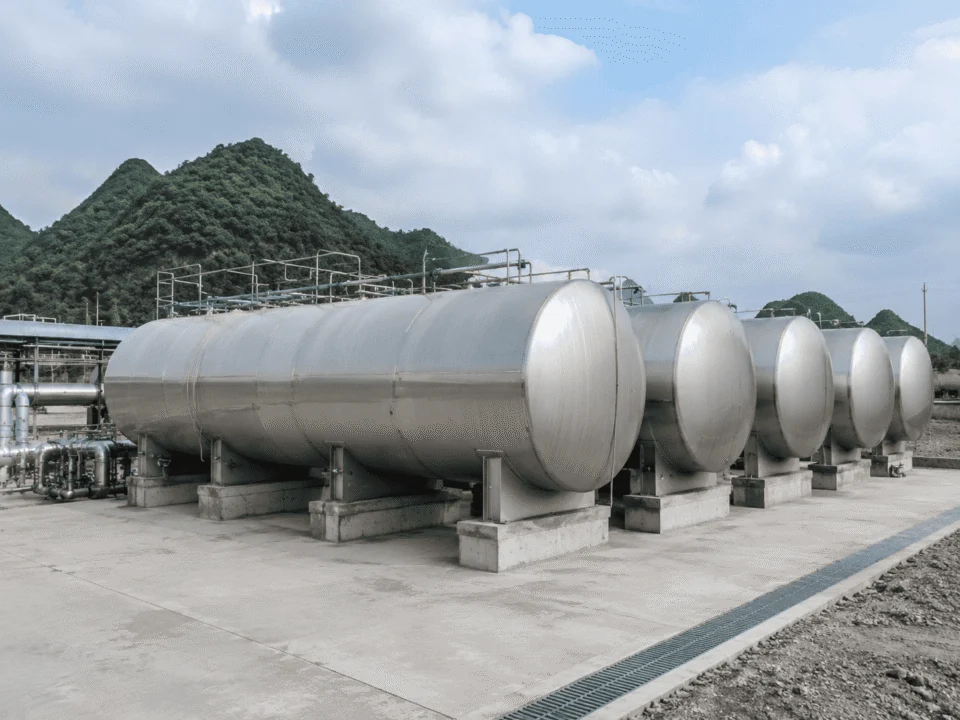
Share capacity, medium, pressure or vacuum, temperature, material, nozzle layout, support type and any cleaning or access requirement.
Choose this path when the batch changes inside the vessel.
This direction fits projects that need mixing, dissolving, reacting, vacuum processing, heating, cooling or controlled discharge. It is commonly used for reaction kettles, jacketed reactors and mixing vessels.
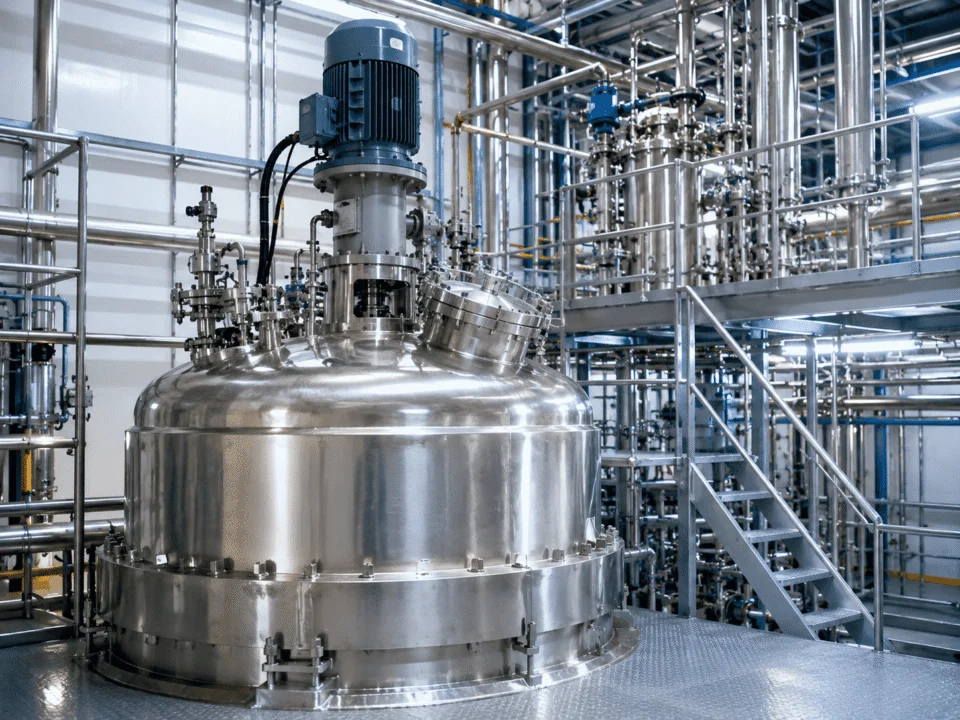
Share working volume, medium, agitator request, jacket duty, viscosity, pressure or vacuum, seal requirement and cleaning method.
Choose this path when heat transfer is the main job.
This is usually the best route for heating, cooling, condensation, evaporation, heat recovery and stable temperature control. In some projects, a jacketed vessel can also be part of the solution.
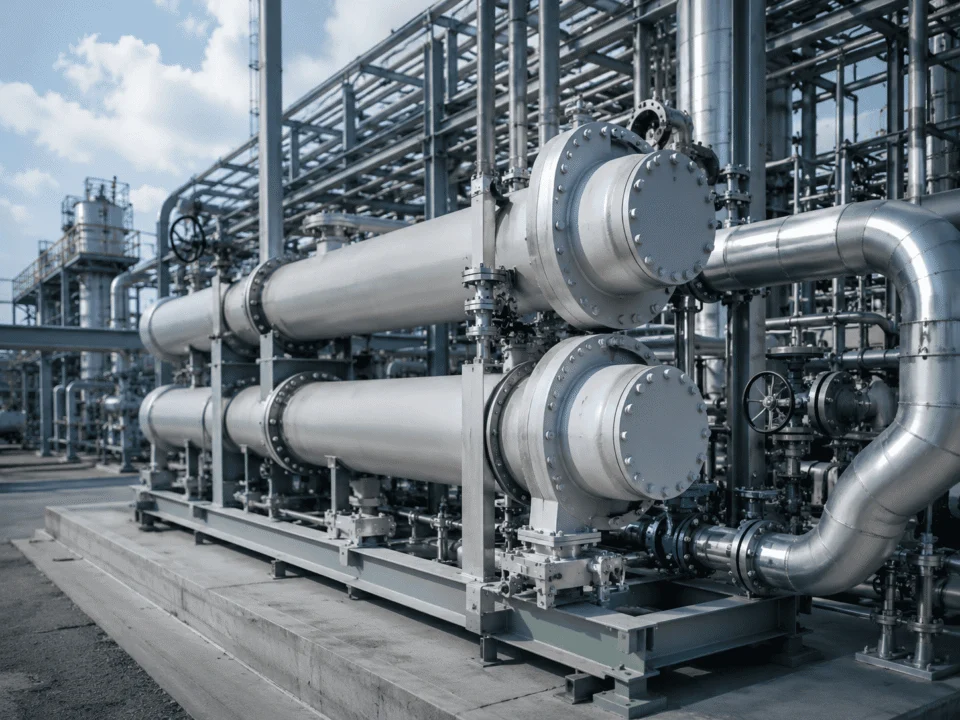
Share fluid name, flow rate, inlet and outlet temperature, design pressure, fouling condition and available maintenance space.
Choose this path when the process needs separation, filtration or internals.
This applies to gas-liquid separation, oil-water separation, solids removal, filtration, demister service, scrubbing and vertical column applications with trays, packing or other internals.
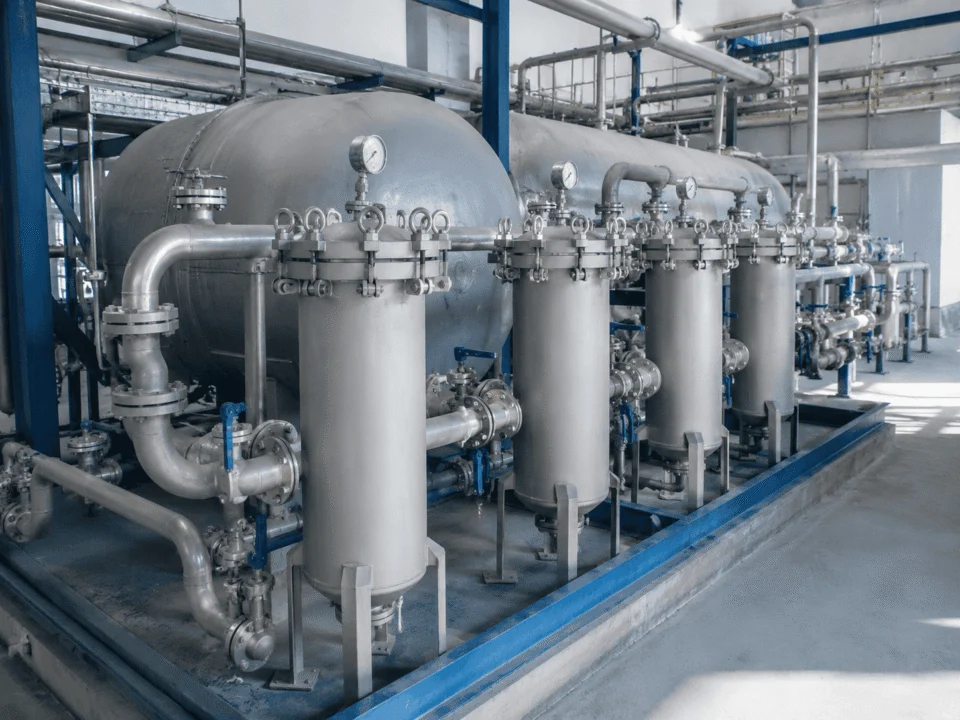
Share flow rate, phase composition, separation goal, internals request, retention time, pressure drop limit and maintenance access.
Choose this path when several items must work as one system.
This option is best for packaged systems that combine vessels, pumps, filters, heat exchangers, piping, valves and instruments on one skid for easier installation and site coordination.

Share the P&ID, process flow, equipment list, footprint limit, utility conditions, instrument needs and delivery destination.
Make The Right Choice Before Quotation
Many RFQ delays start with the wrong equipment name. Use this section to compare similar product types, then open the product page that matches your real process duty.
Tank Or Pressure Vessel?
A tank is not automatically a pressure vessel. The decision depends on pressure, vacuum, sealing, jacket pressure, testing and documentation requirements.
The equipment mainly stores or buffers material under atmospheric or simple holding conditions.
View Storage TanksThe equipment involves internal pressure, vacuum, hydrotest, thicker shell, pressure documentation or regulated acceptance.
View Pressure VesselsMixing Tank Or Reactor?
A mixing tank is usually for blending or holding. A reactor needs more process control around temperature, pressure, vacuum, sealing and reaction safety.
The process is mainly blending, dissolving, liquid preparation, sanitary holding or non-pressure mixing.
View Mixing TanksThe batch needs reaction, heating and cooling cycles, vacuum, pressure, special seals or controlled discharge.
View ReactorsJacketed Vessel Or Heat Exchanger?
If the product is processed inside a vessel, a jacketed vessel may be enough. If heat transfer is the main job, a heat exchanger is usually the better starting point.
The material stays in a batch vessel and heating or cooling is applied through the wall, jacket or internal coil.
View Jacketed VesselsThe duty is mainly heating, cooling, condensing, evaporating, heat recovery or continuous thermal transfer.
View Heat ExchangersSeparator Or Column?
Separators focus on phase disengagement and retention time. Columns and towers depend on height, packing, trays and mass transfer inside the vessel.
The target is gas-liquid separation, oil-water separation, liquid-solid filtration, demister service or simple phase separation.
View SeparatorsThe process needs distillation, absorption, stripping, scrubbing, packed tower service or tray/packing internals.
View Columns & TowersSkid System Or Single Equipment?
A single vessel may be enough for a simple purchase. A skid is better when several items must work together and site installation time needs to be controlled.
You only need one vessel, tank, exchanger or reactor, and your site team will handle piping and integration separately.
View Equipment FamiliesThe project includes several items, frame, piping, valves, pumps, filters, instruments or layout coordination.
View Process SkidsNot Sure Which Material To Choose? Start With The Medium
Tell us what will be inside the vessel, the pressure, temperature and cleaning method. We can help check whether carbon steel, stainless steel, lining or a higher alloy is more suitable before quotation.
For non-corrosive or coated service.
Often used for utility vessels, some pressure tanks and lower-cost applications. If the medium can corrode steel, coating, lining or stainless steel should be discussed early.
For many clean or mildly corrosive duties.
A common starting point for food, water, clean storage and general process use. Chloride, cleaning chemicals and surface finish still need to be checked.
For higher corrosion risk than 304.
Often considered when chloride, sanitary duty or stronger cleaning conditions are involved. It is not a universal solution, so medium data is still important.
For demanding corrosion or strength needs.
Used when common stainless grades are not enough. These options usually require clearer medium data, temperature, pressure and project specification before quoting.
For corrosive media when full alloy is not the best route.
Rubber lining, PTFE lining, coating or other internal protection may be considered for certain media. Temperature, abrasion, adhesion and repair access should be checked first.
Material can be checked faster when these details are clear.
Process Equipment Solutions By Industry
Different industries need different equipment details. Browse typical applications, equipment focus and project priorities.
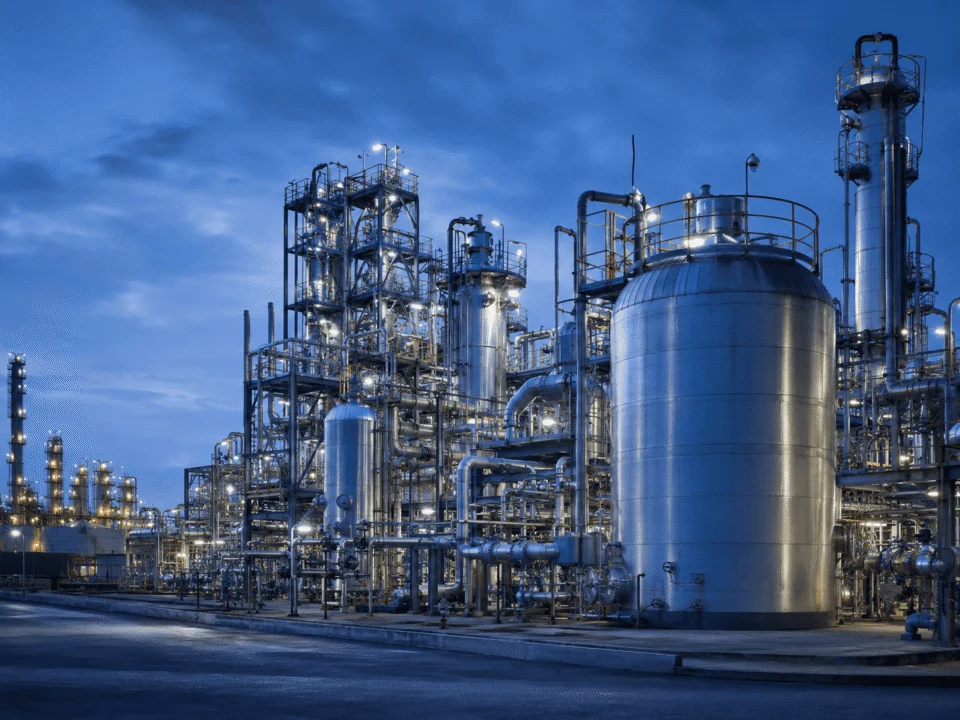
1. Chemical Processing
Reactors, storage tanks and heat exchangers for corrosive and temperature-controlled processes.
View Solutions →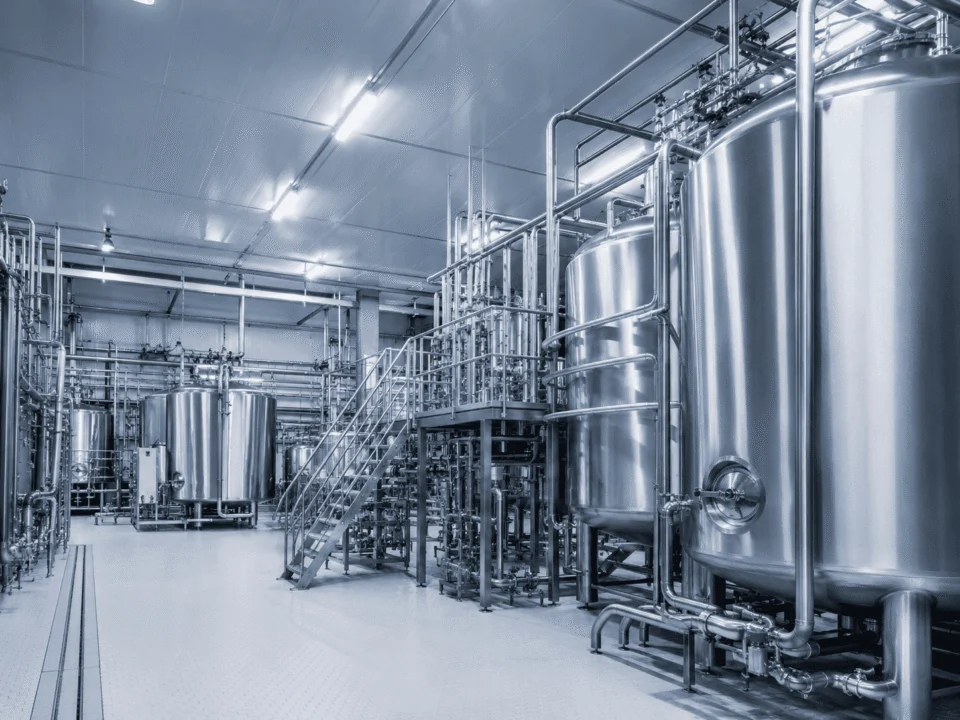
2. Food & Beverage
Sanitary stainless equipment for mixing, holding, heating and cleaning-sensitive production.
View Solutions →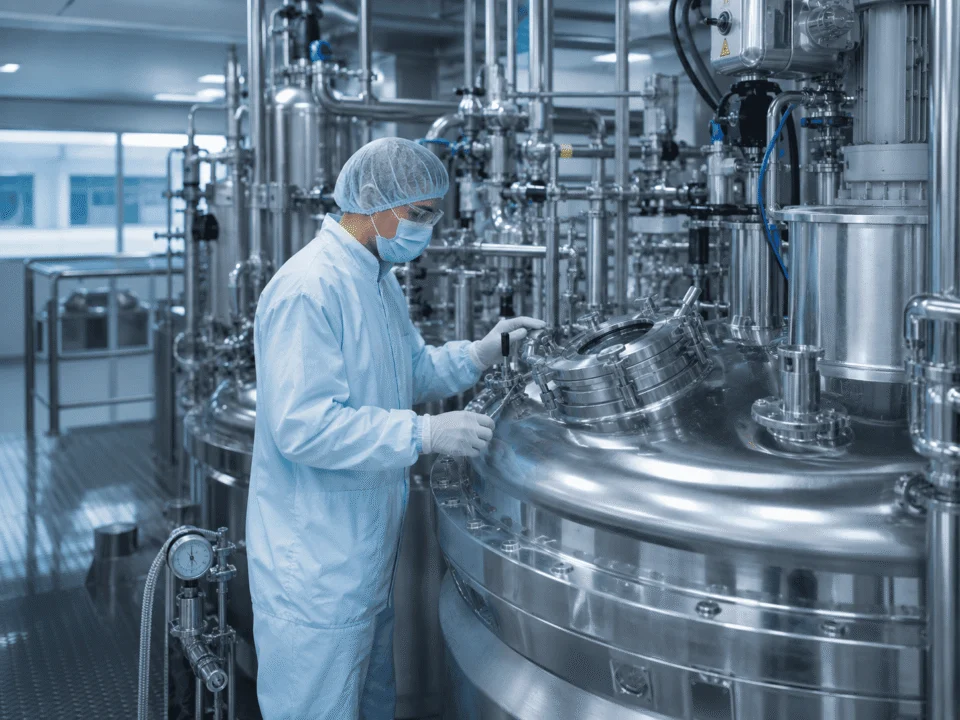
3. Pharmaceutical
Clean process equipment with controlled surfaces, documentation and repeatable batch operation.
View Solutions →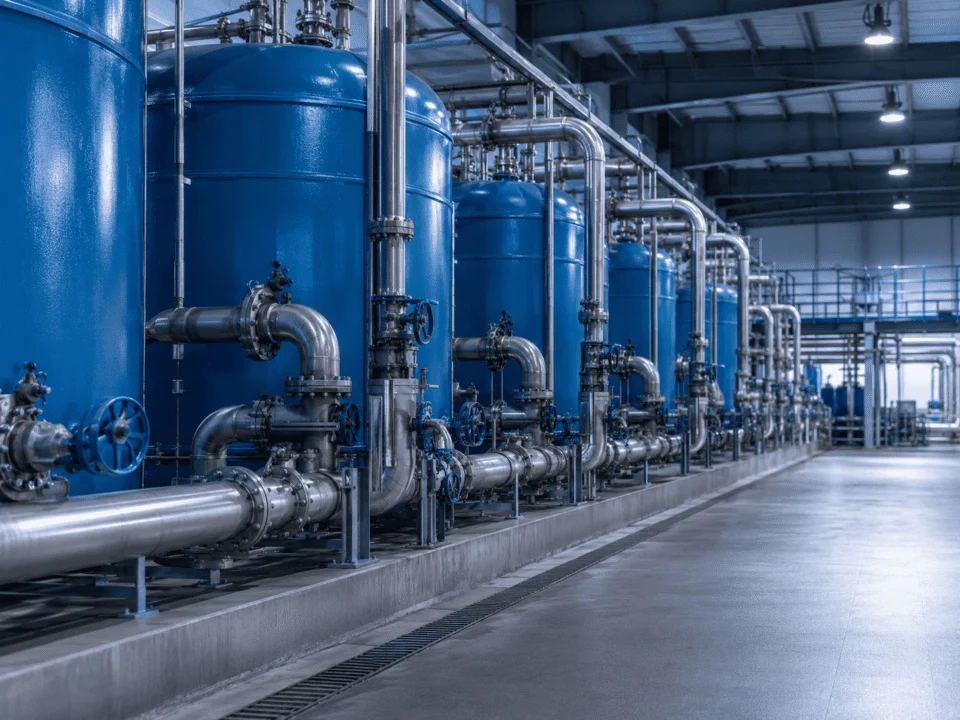
4. Water Treatment
Filter vessels, dosing tanks and skid systems for filtration, separation and chemical handling.
View Solutions →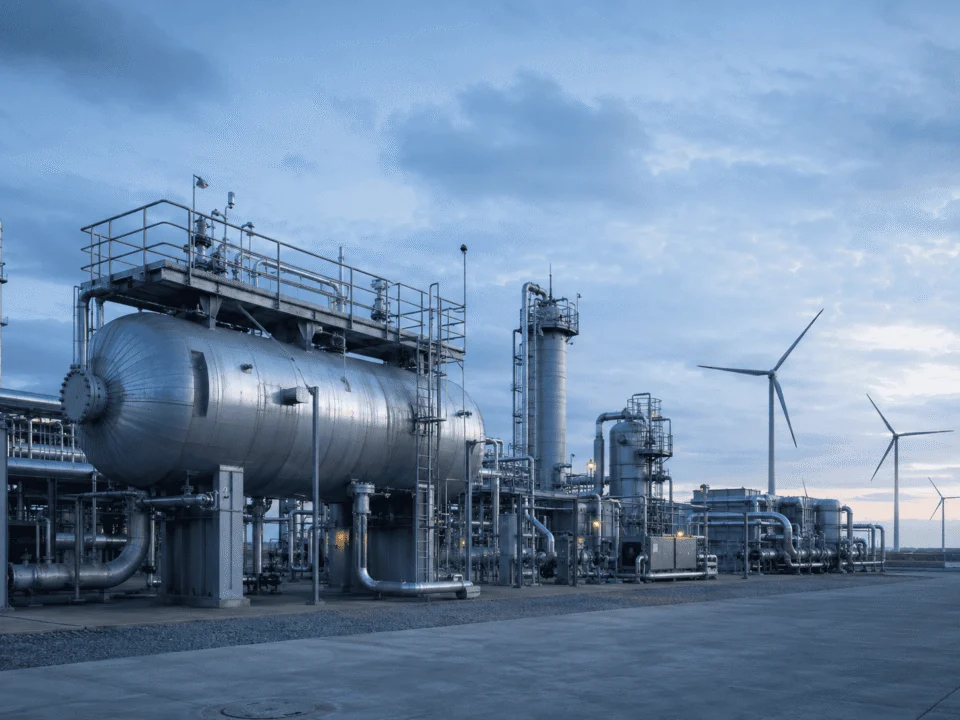
5. New Energy
Pressure vessels, separators and thermal equipment for energy and utility process lines.
View Solutions →
6. Engineering Contractors
Drawing-based fabrication for complete equipment supply and project delivery support.
View Project Cases →Send A Clear Duty Package, Not A Long Message
For custom vessels and process equipment, drawings are best. If drawings are not ready, send the key duty data first. ChannelVessel can use it to check equipment type, material direction and quotation scope.
Send GA drawing, nozzle schedule, material list, design data and testing requirement.
Send capacity, medium, pressure, temperature, material preference and process function.
Add destination country, delivery deadline, inspection needs and site layout limits.
Common Questions Before You Request A Quote
Use these answers to check the right product path and prepare enough details for a practical quotation.
Send drawings if you have them. If not, send the medium, capacity, pressure, temperature, material preference, process function and destination country.
We can supply custom pressure vessels, reactors, reaction kettles, storage tanks, heat exchangers, columns, towers, separators, filter vessels and process skids. If your project includes several equipment types, send the full list so we can review the package together.
Send what the equipment needs to do: storage, mixing, reaction, heating, cooling, separation, pressure, vacuum and the process medium. ChannelVessel can help point you to the right product type before detailed drawings are prepared.
Yes. Drawings make quotation faster, but they are not required for the first discussion. Capacity, medium, pressure, temperature, material preference, process function, destination country and photos or sketches are enough to start review.
The outside shape may look similar, but the cost can change because of material grade, wall thickness, pressure or vacuum duty, temperature, corrosion allowance, jacket, coil, agitator, internals, surface finish, inspection scope and export documents.
Yes. Engineering companies and industrial buyers often send one RFQ package with several equipment types. A P&ID, equipment list, layout sketch or process description helps us decide which items should be quoted separately and which items can be supplied as a skid package.
Please mention any requirement for material certificates, drawings, pressure test, leak test, NDT, weld inspection, packing documents or local acceptance documents. These items affect the quotation scope and delivery schedule.
Send Your Drawings, Datasheet Or Basic Process Parameters
Whether you need one vessel or a complete process equipment package, ChannelVessel can review your duty, material, dimensions, pressure, temperature, medium and inspection needs before preparing a custom fabrication proposal.