Industrial Reactors and Reactor Vessels Manufacturer
Custom stainless steel, jacketed, agitated, and high-pressure reactors engineered for chemical, pharmaceutical, food, new energy, and industrial process applications worldwide.

Duplex / Hastelloy
Reactors Built Around Your Process Conditions
Different reactor projects start from different process problems. Some buyers need corrosion resistance. Some need heating or cooling. Others care more about agitation, pressure, cleanability, or a vessel layout that fits an existing production line. Explore the reactor types below, or send us your process data and drawings for a practical review.

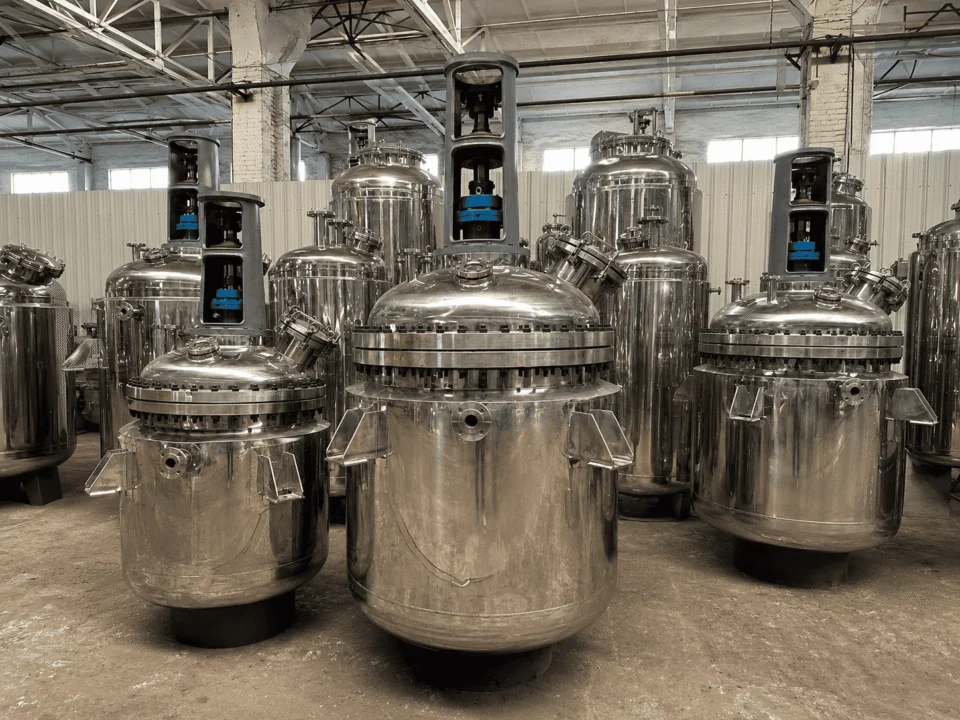
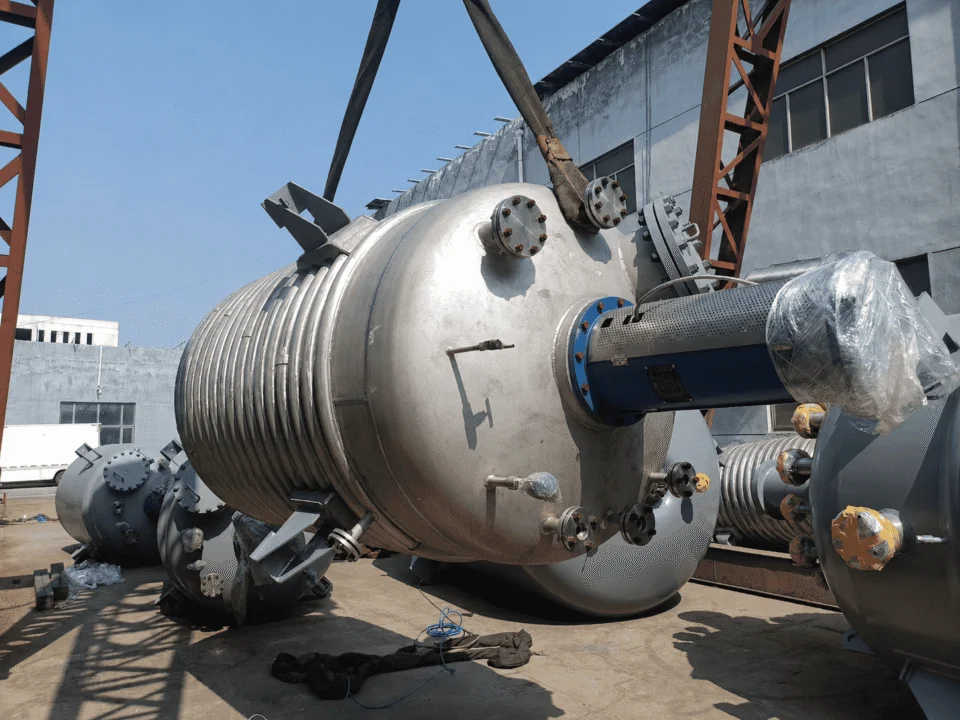


Available Reactor Configurations
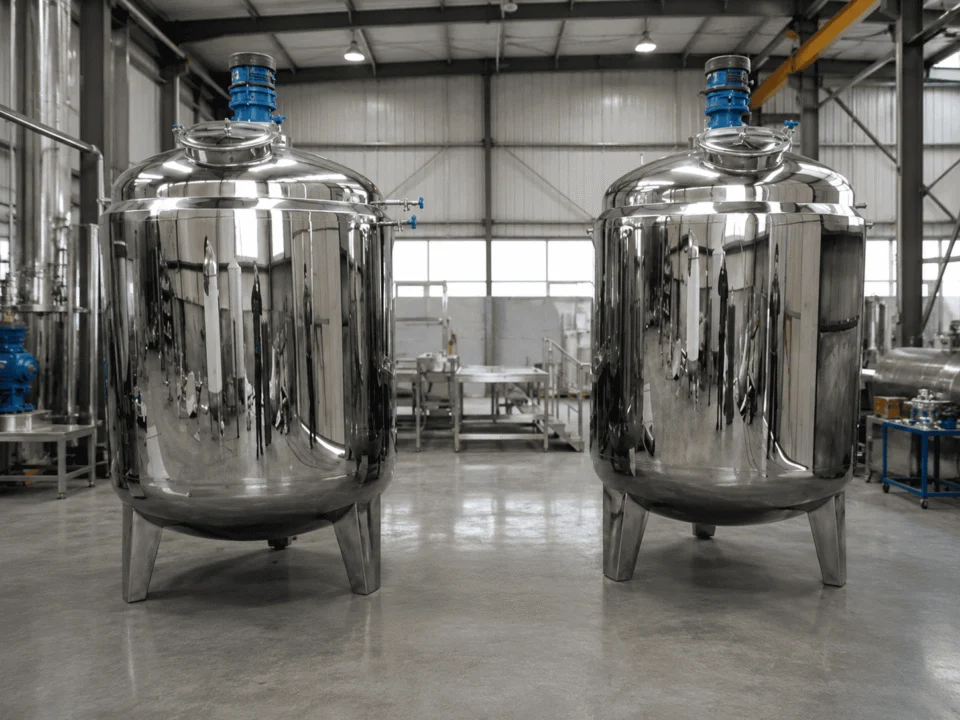
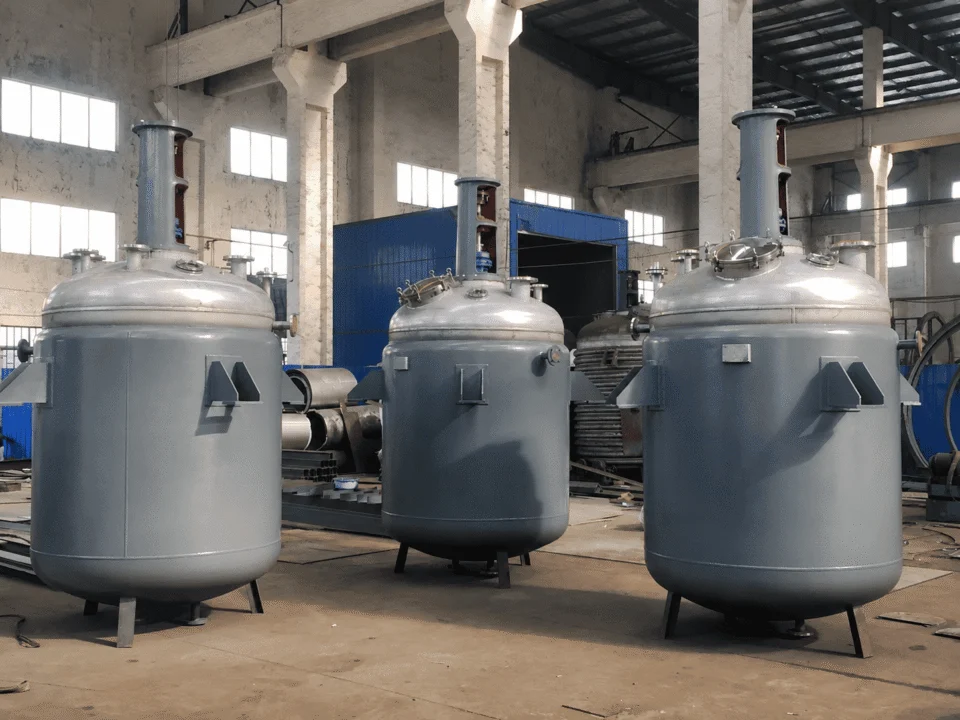
Our reactors are engineered for performance and flexibility. Reactor body, jacket, coil, agitator, sealing system, platform, skid and piping layout can be customized to meet your specific process requirements.

Vertical Reactor Vessels
Vertical reactor vessels are suitable for general chemical, food, pharmaceutical and industrial process applications. Vessel size, nozzle layout, support type and internal structure can be customized around your process line.
Customizable Options
- Vertical shell height and diameter according to working volume
- Nozzle size, orientation and manway arrangement
- Legs, skirt support, lugs or custom support frame
- Internal structure based on mixing, heating or cleaning needs
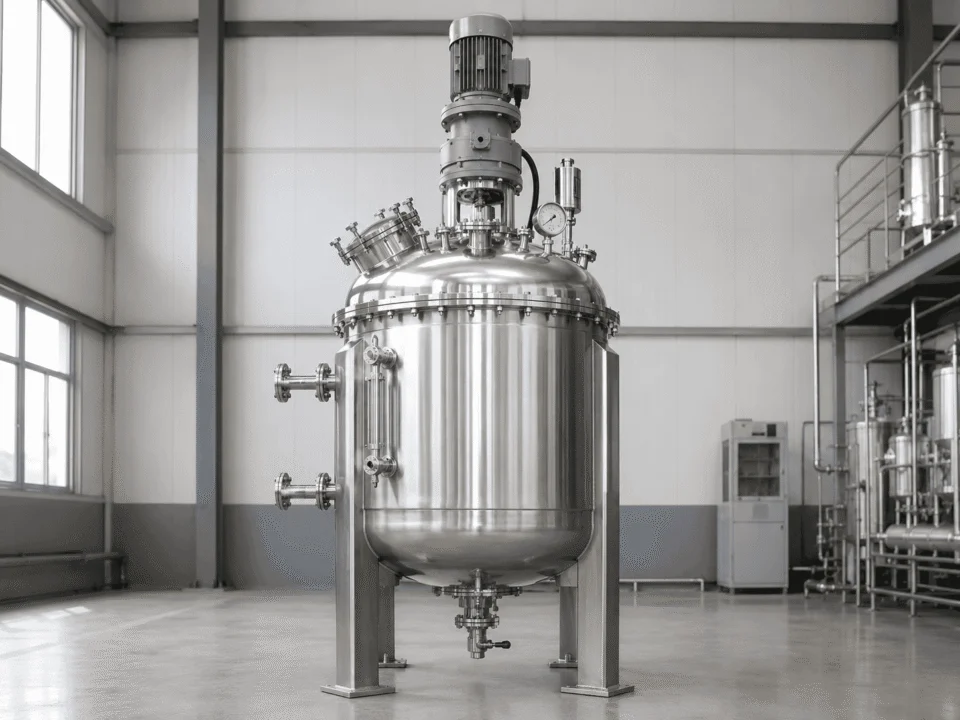
Jacketed Reactors
Jacketed reactors provide controlled heating, cooling and temperature holding for reaction processes. Jacket type, insulation and utility connections can be designed around your operating temperature and available utilities.
Customizable Options
- Jacket type: dimple jacket, half-pipe jacket or full jacket
- Insulation layer and outer cladding if required
- Steam, hot water, chilled water or thermal oil connections
- Temperature ports, nozzles and surface finish

Limpet Coil Reactors
Limpet coil reactors use external half-pipe coil structures for heat transfer where pressure, temperature and utility flow need to be considered together. Coil size and layout are reviewed according to process duty.
Customizable Options
- External half-pipe coil size and pitch
- Heating or cooling medium inlet and outlet arrangement
- Insulation and external finish options
- Pressure testing for vessel body and coil circuit

Internal Coil Reactors
Internal coil reactors are used when the process needs heat exchange inside the vessel. Coil material, diameter, layout and cleanability are reviewed according to medium properties and maintenance requirements.
Customizable Options
- Internal coil diameter, turns and support structure
- Coil material matched with process medium
- Cleaning access and dead corner control
- Nozzle and utility connection orientation

Agitated Reactors
Agitated reactors are used for mixing, dissolution, dispersion, slurry handling and reaction control. Agitator type, speed, motor power and shaft seal should match viscosity and process purpose.
Customizable Options
- Impeller type selected for mixing purpose and viscosity
- Motor power, speed control and gearbox options
- Mechanical seal, packing seal or special seal structure
- Baffles, bottom support and internal accessories
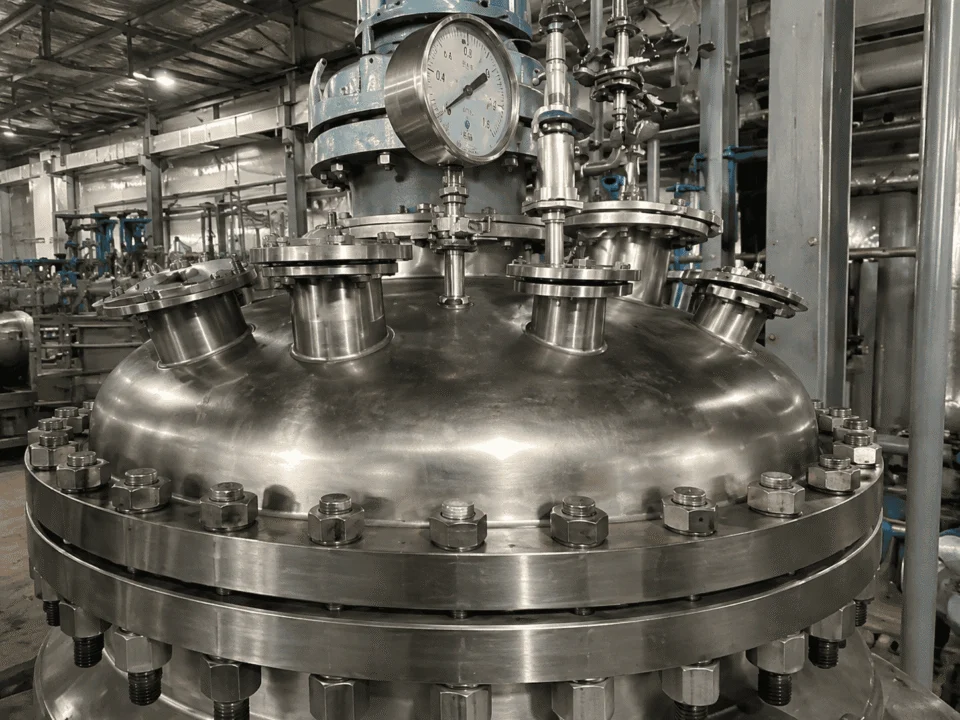
High-Pressure Reactors
High-pressure reactors are designed for demanding operating conditions where vessel strength, sealing, safety accessories and pressure testing are critical before shipment and installation.
Customizable Options
- Shell thickness and head structure based on design pressure
- Flange rating, bolts, gaskets and sealing structure
- Safety valve, pressure gauge and relief accessories
- Hydrostatic test, air tightness test and inspection documents
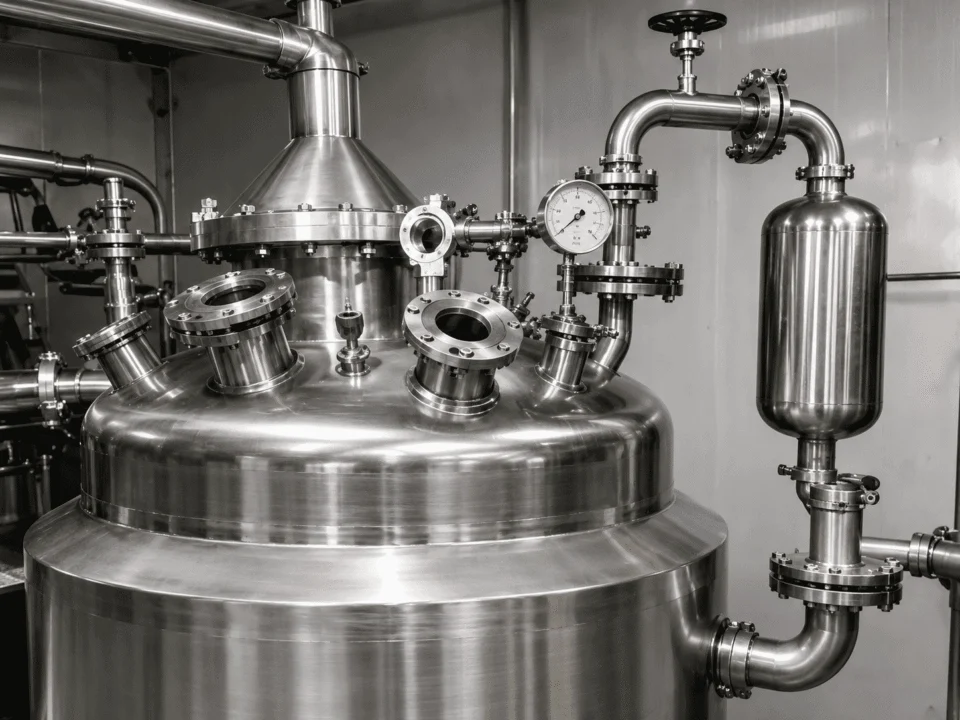
Vacuum Reactors
Vacuum reactors are suitable for vacuum drying, degassing, concentration and oxygen-sensitive processes. Sealing, nozzles and vacuum connections can be customized for the required operating condition.
Customizable Options
- Vacuum nozzle and pump connection arrangement
- Seal structure for vacuum holding performance
- Heating, cooling or condensation support if required
- Vacuum test and leakage checking before delivery

Sanitary Reactors
Sanitary reactors are built for clean processes where internal polishing, smooth welds, easy cleaning and hygienic connections are important for daily operation and product quality.
Customizable Options
- Internal polishing and weld treatment requirements
- Sanitary fittings, manway and cleanable discharge design
- CIP spray ball and cleaning connection layout
- Surface finish inspection according to project needs

Explosion-Proof Reactors
Explosion-proof reactor configurations are available for flammable or hazardous process environments. Motors, electrical components, instruments and safety accessories are reviewed according to the operating area.
Customizable Options
- Explosion-proof motor and electrical configuration
- Instrument ports, grounding and safe connection layout
- Sealing and relief design for hazardous media
- Configuration reviewed according to project environment

Platform / Skid / Piping System
Reactors can be supplied with working platforms, skid frames, piping, valves, instruments and supporting components for easier installation into your production line.
Customizable Options
- Working platform, ladder and handrail layout
- Skid frame, support base and installation points
- Piping, valves, pumps and instrument integration
- Export packing and site installation support
Vertical Reactor Vessels 1
Vertical Reactor Vessels
Vertical reactor vessels are suitable for general chemical, food, pharmaceutical and industrial process applications. Vessel size, nozzle layout, support type and internal structure can be customized around your process line.
Customizable Options
- Vertical shell height and diameter according to working volume
- Nozzle size, orientation and manway arrangement
- Legs, skirt support, lugs or custom support frame
- Internal structure based on mixing, heating or cleaning needs
Jacketed Reactors 2
Jacketed Reactors
Jacketed reactors provide controlled heating, cooling and temperature holding for reaction processes. Jacket type, insulation and utility connections can be designed around your operating temperature and available utilities.
Customizable Options
- Jacket type: dimple jacket, half-pipe jacket or full jacket
- Insulation layer and outer cladding if required
- Steam, hot water, chilled water or thermal oil connections
- Temperature ports, nozzles and surface finish
Limpet Coil Reactors 3
Limpet Coil Reactors
Limpet coil reactors use external half-pipe coils to improve heat transfer under selected pressure and temperature conditions. The coil arrangement and vessel body can be adjusted according to your process.
Customizable Options
- Half-pipe coil size and arrangement
- Heating and cooling medium connection layout
- Insulation and outer shell if required
- Nozzle arrangement to match the production line
Internal Coil Reactors 4
Internal Coil Reactors
Internal coil reactors are used when direct heat exchange inside the vessel is needed. Coil material, diameter and layout can be reviewed according to the process medium and cleaning requirement.
Customizable Options
- Internal coil material and pipe diameter
- Coil layout according to vessel volume and process duty
- Cleaning and maintenance access review
- Nozzle arrangement and surface finish options
Agitated Reactors 5
Agitated Reactors
Agitated reactors are designed for mixing, dissolution, dispersion, slurry handling and reaction control. Agitator type, speed, motor power and shaft seal are selected according to the process medium and viscosity.
Customizable Options
- Agitator type based on mixing purpose
- Motor power and speed according to viscosity
- Mechanical seal or packing seal options
- Baffles, internals and support structure if required
High-Pressure Reactors 6
High-Pressure Reactors
High-pressure reactors are designed for demanding operating conditions where vessel strength, sealing, safety accessories and testing need to be reviewed more carefully before fabrication starts.
Customizable Options
- Working pressure, design pressure and temperature review
- Shell thickness, head type and flange rating confirmation
- Seal structure and safety accessory arrangement
- Hydrostatic test, air tightness test and inspection documents
Vacuum Reactors 7
Vacuum Reactors
Vacuum reactors are suitable for vacuum drying, degassing, concentration and oxygen-sensitive processes. Sealing, nozzles and vacuum connections can be customized for the required operating condition.
Customizable Options
- Vacuum nozzle and pump connection arrangement
- Seal structure for vacuum holding performance
- Heating, cooling or condensation support if required
- Vacuum test and leakage checking before delivery
Sanitary Reactors 8
Sanitary Reactors
Sanitary reactors are built for clean processes where internal polishing, smooth welds, easy cleaning and hygienic connections are important for daily operation and product quality.
Customizable Options
- Internal polishing and weld treatment requirements
- Sanitary fittings, manway and cleanable discharge design
- CIP spray ball and cleaning connection layout
- Surface finish inspection according to project needs
Explosion-Proof Reactors 9
Explosion-Proof Reactors
Explosion-proof reactor configurations are available for flammable or hazardous process environments. Motors, electrical components, instruments and safety accessories are reviewed according to the operating area.
Customizable Options
- Explosion-proof motor and electrical configuration
- Instrument ports, grounding and safe connection layout
- Sealing and relief design for hazardous media
- Configuration reviewed according to project environment
Platform / Skid / Piping System 10
Platform / Skid / Piping System
Reactors can be supplied with working platforms, skid frames, piping, valves, instruments and supporting components for easier installation into your production line.
Customizable Options
- Working platform, ladder and handrail layout
- Skid frame, support base and installation points
- Piping, valves, pumps and instrument integration
- Export packing and site installation support
Need a reactor configuration built around your process?
Share your process details and our engineers will recommend the right configuration for your pressure, temperature, medium and production line.
Reactors for Different Industrial Applications
Industrial reactors are used across different process lines. Each industry has its own design priorities, such as corrosion resistance, sanitary finish, mixing performance, heating or cooling capability, and system integration.

Chemical Processing
For synthesis, neutralization, dissolution, polymerization, blending and controlled reactions.

Pharmaceutical Production
For clean process environments requiring stainless steel construction, polished surfaces and controlled mixing.

Food & Beverage
For heating, mixing, extraction, fermentation support and sanitary processing.

New Energy Materials
For slurry preparation, chemical reaction, material mixing and controlled temperature processes.
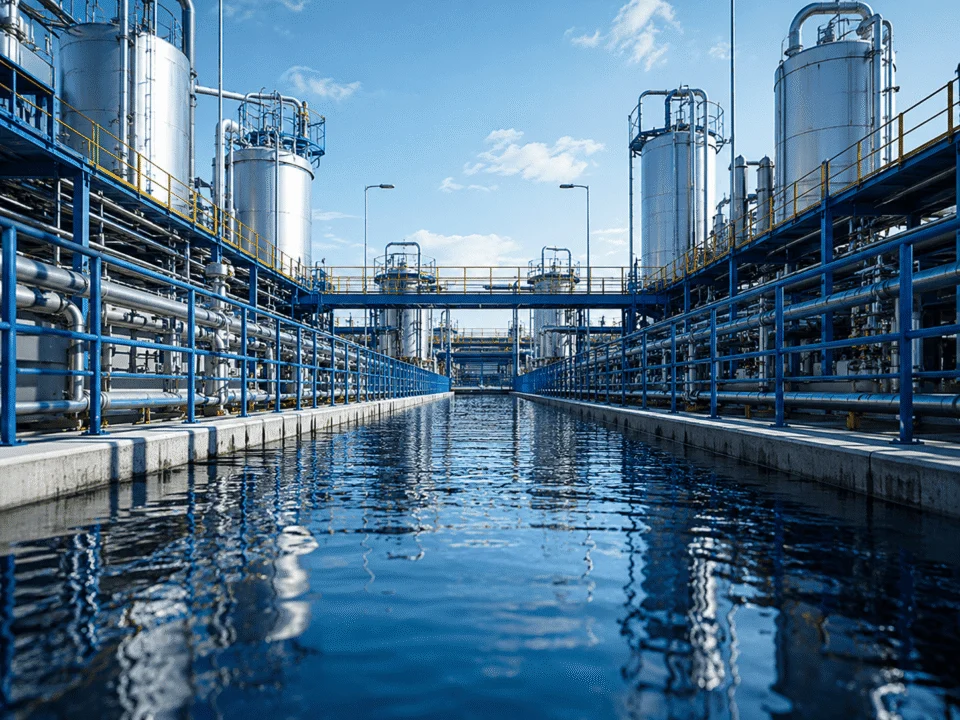
Water Treatment & Environmental Projects
For dosing, neutralization, reaction and process treatment systems.
How We Fabricate Custom Reactors
Our custom reactor fabrication process begins with a detailed review of your process requirements and continues through precision forming, welding, surface finishing, pressure testing and safe export delivery.
Drawing and Process Requirement Review
We review your drawings, medium, pressure, temperature and process data before production starts.
Material Selection and Thickness Confirmation
Material grade and plate thickness are confirmed according to design conditions and project standards.
Plate Cutting and Forming
Steel plates are cut, rolled and formed into shells, heads and structural parts for the reactor body.
Welding and Assembly
The shell, heads, nozzles and main structures are welded and assembled according to the fabrication plan.
Jacket, Coil, Nozzle and Support Fabrication
Jackets, coils, supports, manways and nozzle details are fabricated based on the reactor configuration.
Surface Treatment and Polishing
Surface treatment and polishing are arranged according to material, process and customer requirements.
Pressure Test and Inspection
Pressure testing, dimensional checking and required inspections are carried out before delivery.
Packing and Export Delivery
The reactor is prepared for packing, loading and export shipment according to delivery requirements.


Need a Reactor Built Around Your Process Conditions?
Send us your working volume, pressure, temperature, medium, material requirement, heating or cooling method, agitation requirement and drawings if available. Our team will review your process conditions and recommend a suitable reactor configuration for quotation.
Drawings, process sketches, material lists or photos of your existing equipment can help us review the project faster.