ASME Pressure Vessels For Code-Aware Industrial Projects
Send drawings, datasheets or basic process data. ChannelVessel reviews vessel type, design conditions, material, inspection and document scope before quotation.
What Are ASME Pressure Vessels?
ASME pressure vessels are reviewed against defined code, inspection and document requirements. Buyers should confirm the code route, testing scope and final acceptance documents first.
Clarify The Vessel Scope Before You Compare Prices
A useful quote starts with a clear scope. ChannelVessel can review your vessel type, material, design conditions, inspection level and document needs before pricing.
Procurement Buyers
Send vessel type, medium, pressure, temperature, size and required documents before comparing suppliers.
EPC And Engineering Companies
Share project specifications, datasheets, nozzle schedules, inspection points and required documents.
Quality And Compliance Teams
Clarify NDT, hydrotest, material certificates, welding records, third-party inspection and final documents early.
Buyers Without Final Drawings
No final drawing yet? Start with medium, pressure, temperature, volume, orientation, material preference and destination country.
ASME Design Discussion vs ASME Stamped Vessel vs ASME-Related Documents
Many RFQs use “ASME” too broadly. Clarify the route first because design review, stamping and documentation affect price, schedule and inspection differently.
ASME Design Discussion
The project needs ASME-related design logic or buyer specifications, but not necessarily a formal stamp.
- Useful for early budgetary RFQ
- Needs design pressure and temperature
- Requires clear material and drawing basis
- Provides technical direction without code-stamp route
ASME Stamped Vessel
The project requires a defined stamp route, inspection involvement, nameplate and document path.
- Must be stated clearly in RFQ
- Affects supplier qualification review
- Changes inspection and document scope
- Triggers ASME Section VIII compliance obligations
ASME-Related Documents
The project needs material records, welding documents, NDT reports, test reports or final drawings without formal stamping.
- Clarify document list early
- Avoids acceptance disputes
- Improves quote comparability
- Ensures smooth downstream approvals
ASME Pressure Vessel Types ChannelVessel Can Review
Different vessel types need different quotation inputs. Define the function, service conditions and document scope instead of only asking for a “pressure vessel.”
 Storage
Pressure Storage Vessels
For storage or buffer duty where volume, medium, pressure, nozzles and supports affect the quote.
 Reaction
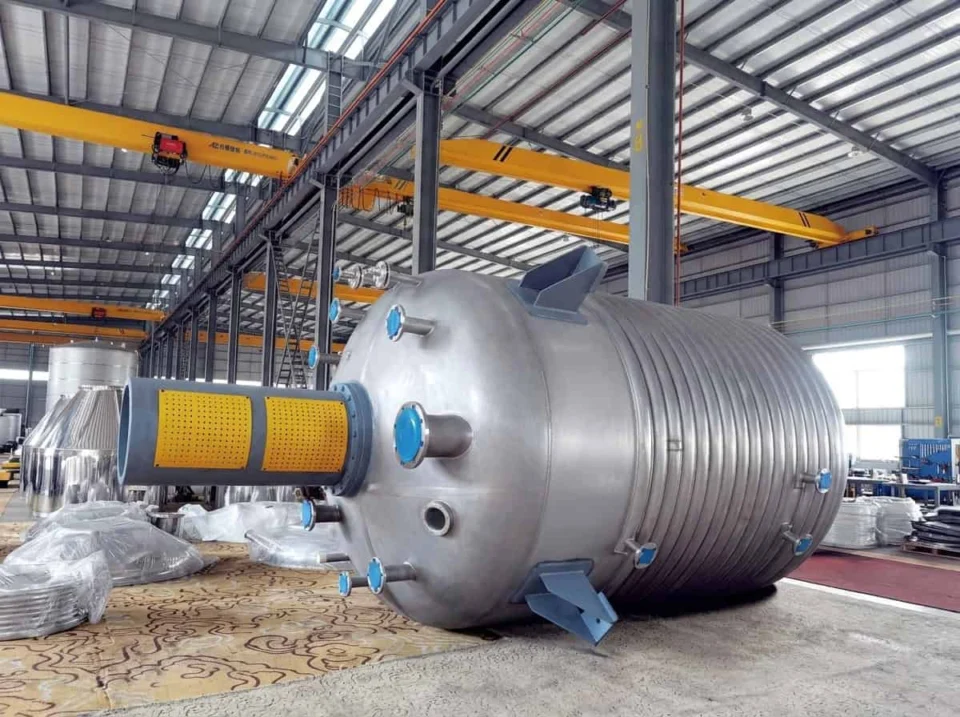
Reactor Pressure Vessels
For reactors involving agitation, jacket or coil, temperature control and material compatibility.
 Separation
Separators And Filter Vessels
For separation or filtration service with internals, drains, demisters and access requirements.
 Thermal
Heat Exchanger Shells
For heat-transfer equipment where shell design, tube-sheet area, nozzles and tests must be defined.
 Air / Gas
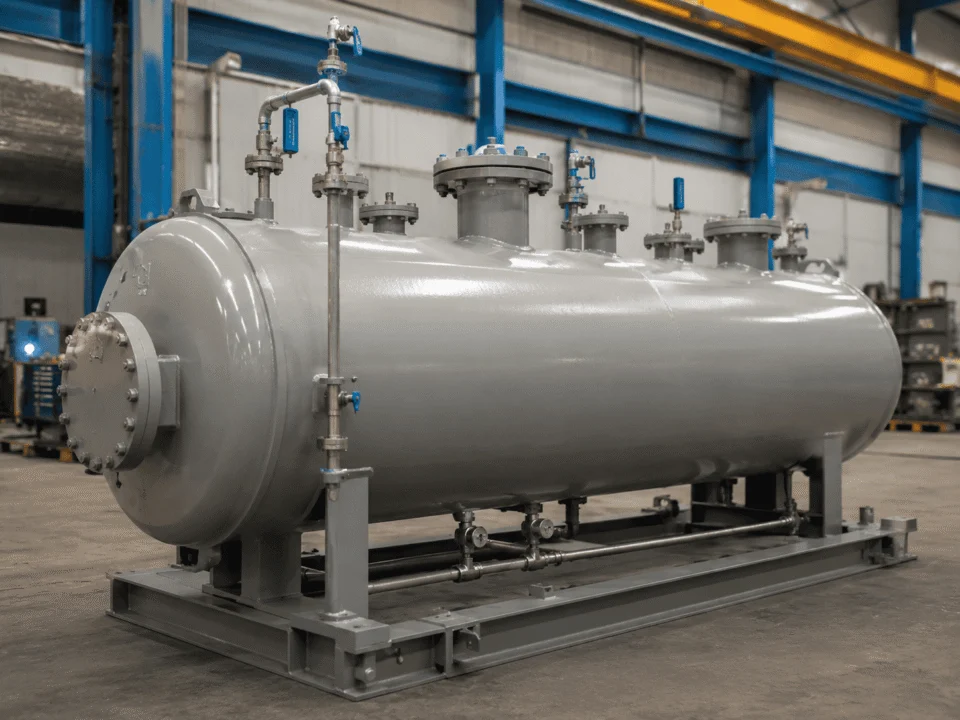
Receivers And Accumulators
For compressed gas, process gas or utility service where rating and safety connections must be clear.
 Process
Custom Process Vessels
For non-standard vessels with special nozzles, internals, lining, coating, frames or skid integration.
 Vertical
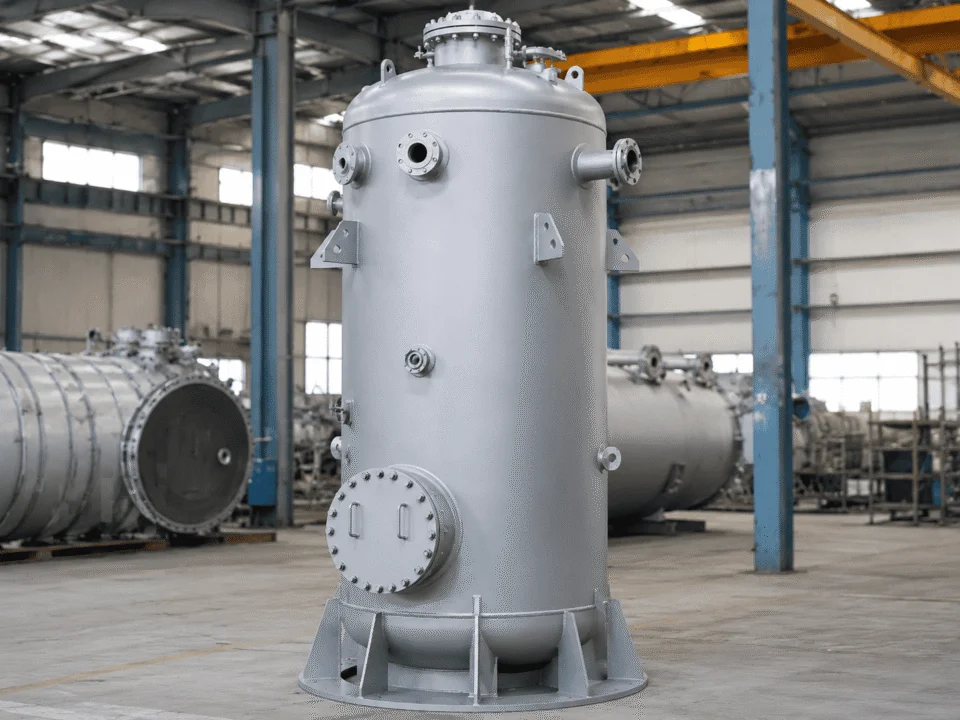
 Pressure Vessels
For tall vessels where access, supports, lifting and transport need early review.
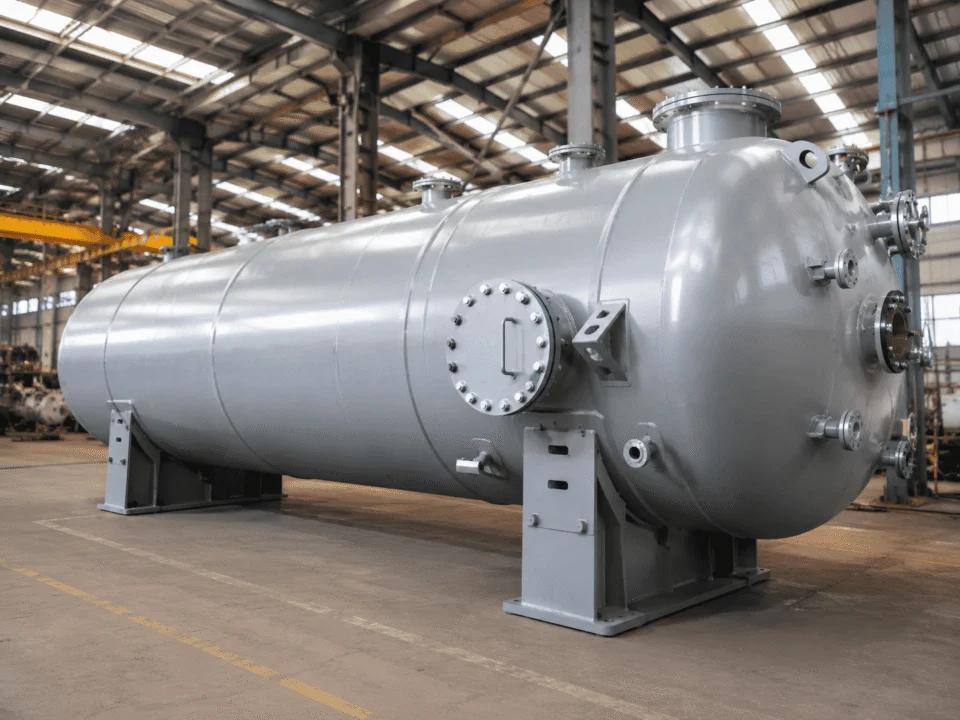 Horizontal
 Pressure Vessels
For saddle-supported vessels where length, drains, access and transport dimensions matter.
ASME Pressure Vessel RFQ Items Buyers Should Clarify
Use this checklist before asking for price. It helps define whether the project needs a basic vessel, ASME-related review or a specific certification route.
Send a comparable inquiry, not only a vessel name.
Clear code scope, design data, material and inspection requirements make quotes faster and easier to compare.
- Reduce back-and-forth clarification
- Protect schedule on technical review
- Avoid comparing unmatched quotes
Code Requirement
Code direction affects design review, inspection and document scope.
Required standard, stamp expectation, owner specification, destination rules and acceptance route.
Prevents comparing a basic quote with a code-required quote.
Design Conditions
Pressure and temperature determine the mechanical basis, wall thickness logic and safety margin.
Design pressure, design temperature, operating pressure, operating temperature, volume and medium.
Improves technical review quality and reduces rework after quotation.
Material & Corrosion
Material affects compatibility, welding route, corrosion resistance, cost, service life and documentation.
Material grade, corrosion allowance, medium composition, cleaning method and surface finish requirements.
Clarifies fabrication cost, lead time and quality document requirements.
Testing & Documents
Acceptance requirements affect inspection schedule, release conditions and the final delivery package.
Hydrotest, leakage test, NDT, third-party inspection, final drawings and report package expectations.
Reduces disputes over what is included in the quotation and final acceptance scope.
Send your drawings, code notes, media data and testing expectations early so ChannelVessel can review the inquiry on a clearer basis.
Materials, Welding, NDT And Hydrotest Considerations
A technical quote needs more than a product photo. Material records, welding control, inspection level and test documents often decide whether the offer is usable.
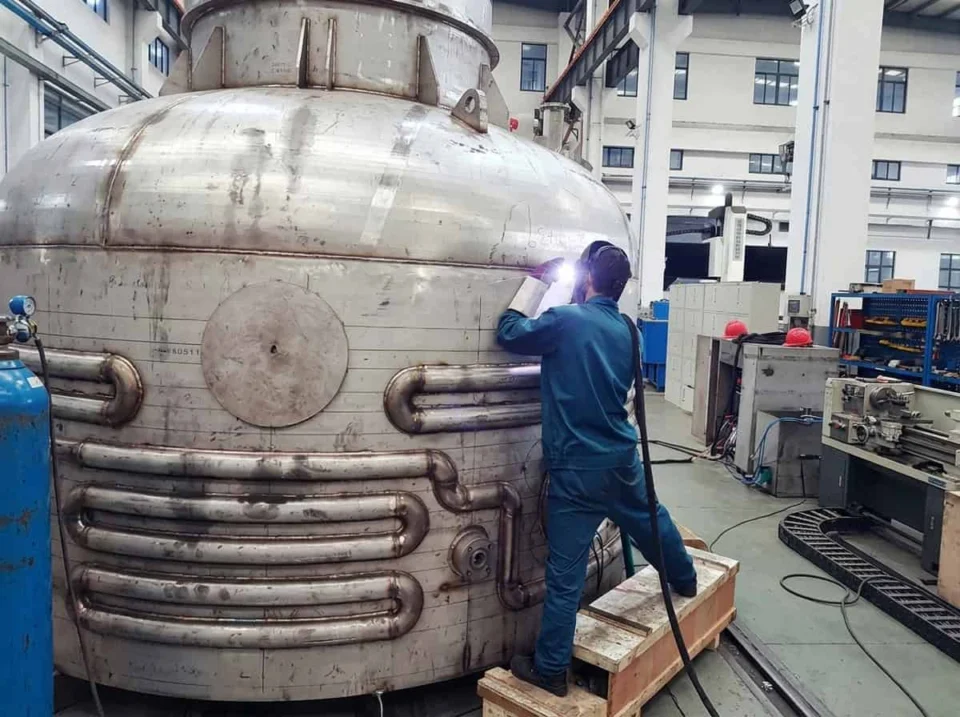
Material · Welding · NDT · Testing · Final Documents
Material Records And Compatibility
State material grade, corrosion allowance, medium, temperature, cleaning chemicals and certificate needs.
WPS, PQR And Welder Control
If WPS, PQR or welder records are required, include them in the RFQ scope early.
NDT Scope And Acceptance
Clarify RT, UT, PT, MT or other NDT needs before pricing because inspection scope affects cost and schedule.
Pressure Testing Requirements
Hydrotest pressure, test medium, holding time, witnessing, report format and post-test cleaning or drying requirements should be listed when relevant.
Nameplate And Marking
If your project needs specific nameplate content, code stamp, serial number, design data or language, provide the requirement before production release.
Final Document Package
Common document discussions include final drawings, material records, test reports, inspection records, packing list and shipment-related files.
How ChannelVessel Reviews ASME-Related Pressure Vessel Projects
The review path connects requirements, drawings, material planning, fabrication, inspection, documents and delivery.
Requirement Confirmation
Review code direction, stamp expectation, owner specification, destination rules and documents.
Drawing & Datasheet Review
Check geometry, nozzles, supports, internals, design conditions and material.
Material & Fabrication Planning
Clarify material grade, shell/head structure, welding, corrosion allowance and accessories.
Inspection & Testing Scope
Define dimensional checks, pressure test, leakage test, NDT if required, witness points and final report package.
Document Preparation
Prepare agreed material records, test reports, inspection records, final drawings, packing list and delivery documents.
Export Packing & Shipment
Review packing, lifting, shipping dimensions, loose parts, destination documents and delivery schedule.
Common ASME Pressure Vessel Applications
Different industries focus on different risks: corrosion, inspection, clean fabrication, documents or stable utility service.
Reactors, Receivers And Separators For Chemical Plants
Chemical projects should confirm medium, pressure, temperature, corrosion risk, material grade, nozzles, welding, NDT and hydrotest before pricing.
Pressure Vessels Built Around Project Specifications
Petrochemical RFQs should make the material standard, welding documents, inspection plan, test reports, nameplate and final documents clear.
Separators, Filter Vessels And Receivers For Higher-Risk Service
Oil and gas projects should confirm design basis, NDT, pressure test, drain/vent layout, lifting points, nameplate data and packing.
Stainless Pressure Vessels With Cleanability And Records
Pharma projects should confirm finish, cleanability, dead-corner control, jacket design, traceability and inspection documents.
Pressure-Rated Heating, Sterilization And Process Vessels
Food projects should define food-contact material, surface finish, cleaning method, heating method, pressure rating and sanitary fittings.
Filter Vessels And Pressure Tanks With Corrosion Protection
Water treatment RFQs should confirm water type, chemicals, lining/coating, access, nozzle layout and pressure test requirements.
Pressure Vessels For Battery, Solvent And Utility Systems
New energy projects should confirm medium safety, material compatibility, temperature control, inspection level and approval documents.
Air Receivers, Buffer Tanks And Plant Utility Pressure Vessels
Utility vessels should confirm medium, volume, pressure rating, safety valve connection, drainage, supports, test report and delivery documents.
Mistakes Buyers Should Avoid When Requesting ASME Pressure Vessels

Asking Only For Price By Volume
Volume alone is not enough. Pressure, temperature, material, nozzles, code route and tests change the quote.
Not Stating Stamp Or Certification Needs
If U Stamp, Authorized Inspector or a certificate is required, state it before quotation.
Confusing Operating And Design Conditions
Operating conditions show normal use. Design conditions define the review basis.
Ignoring Document Requirements
Material records, test reports, NDT records, drawings and nameplate requirements affect price and schedule.
Comparing Quotes With Different Scopes
A cheaper quote may exclude inspection, documents, packing, internals, nozzles or accessories.
Leaving Export Constraints Too Late
Oversized vessels, lifting, packing and destination documents should be reviewed before release.
Questions Buyers Ask Before Sending An RFQ
Before asking for price, confirm the scope: code route, drawings, inspection documents and quotation basis.
Send code direction, design pressure, design temperature, medium, material, drawings, testing requirements and destination country when available.
It is pressure-containing equipment reviewed against defined design, inspection and document requirements. Clarify whether you need review, documents or a formal stamp route.
Not every project needs U Stamp. State the stamp, inspection body, MDR or nameplate requirement before quotation so the correct scope can be reviewed.
Send pressure, temperature, medium, volume, material, corrosion allowance, drawings, nozzle schedule, tests, documents, destination and stamp expectation.
Design review may follow ASME-related logic or buyer specs. A stamped vessel needs a defined certification route, inspection, documentation and nameplate scope.
Yes. Preliminary drawings, datasheets, P&ID, sketches or process data can start the discussion. Accuracy improves after material, nozzles and inspection scope are confirmed.
Chemical, petrochemical, oil and gas, pharma, food, water treatment, new energy and utility projects often need ASME-related review.
Quotes vary when suppliers assume different material, wall thickness, corrosion allowance, welding, NDT, hydrotest, documents, packing or delivery scope.
Yes. ChannelVessel can review export inquiries with drawings, design data, material requirements, inspection needs, packing limits and destination documents.
Send Drawings, Code Requirements And Design Conditions
Send your drawings, code direction, design conditions, medium, material, nozzles, testing requirements and export delivery needs.