Industrial Process Equipment Solutions For Your Industry
Different industries do not need the same vessel. ChannelVessel helps buyers match pressure vessels, reactors, storage tanks, heat exchangers, columns, separators and process skids to real working conditions such as medium, pressure, temperature, corrosion, cleaning and installation space.
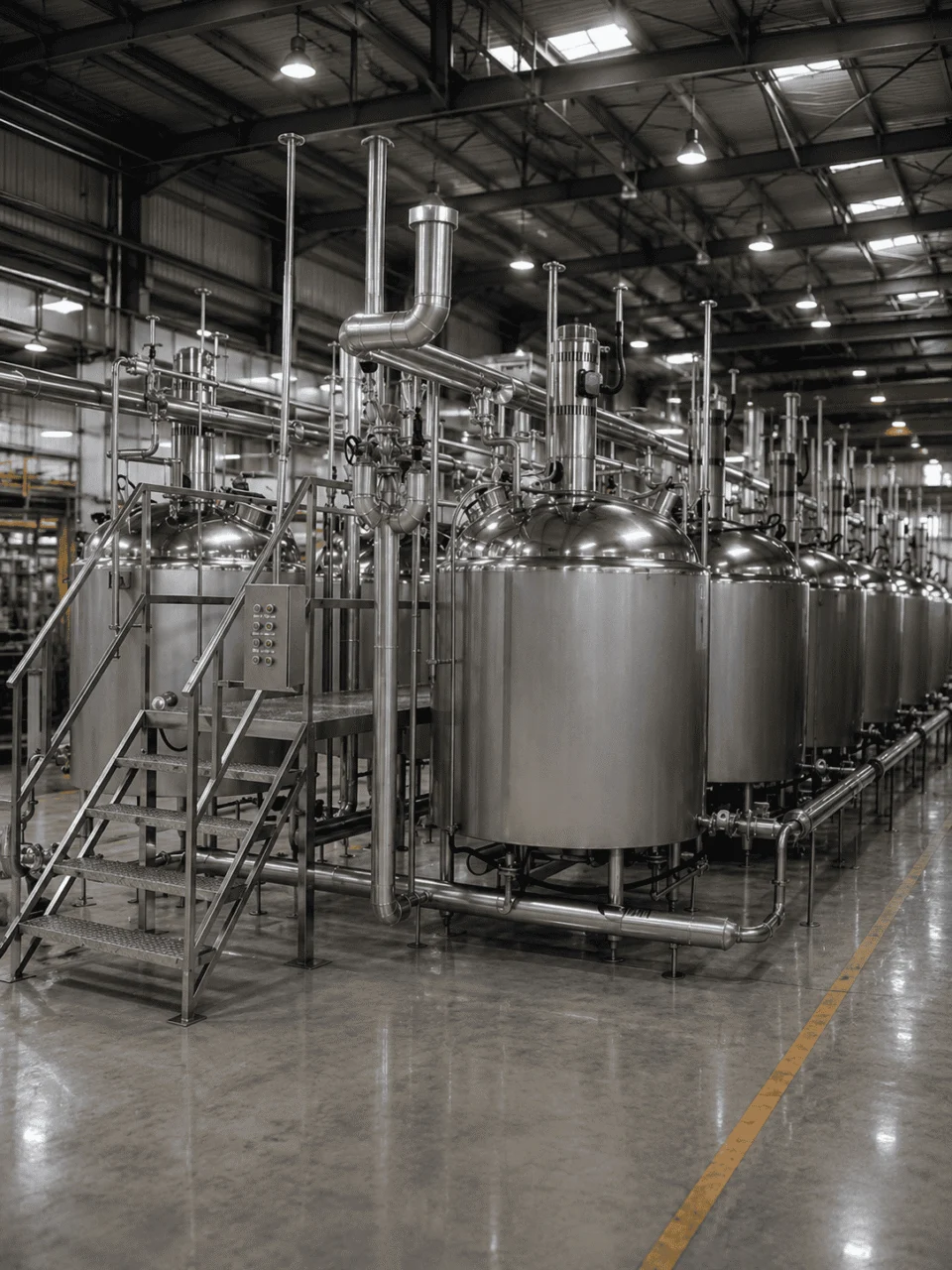
Choose Equipment Based On Your Working Conditions
A pressure vessel for chemical production is not selected the same way as a sanitary tank for food or a filter vessel for water treatment. Use the industry pages below to understand the equipment scope, material concerns and project details that usually need to be confirmed before quotation.
It is also about what medium will run inside, under what pressure and temperature, and whether corrosion, cleaning, internal finish, welding or inspection requirements could affect equipment safety and service life.

Chemical Industry
For corrosive, heated, mixed or pressurized chemical processes where material selection, sealing and welding quality directly affect safe operation.
- Reactors, pressure vessels and storage tanks
- Heat exchangers, columns and separators
- Carbon steel, stainless steel, 304 or 316L options

Petrochemical Industry
For high-temperature, high-pressure and flammable process conditions where design margins, inspection records and project documentation matter.
- Pressure vessels, towers, columns and separators
- Heat exchangers and storage vessels
- Welding, NDT and pressure test documentation
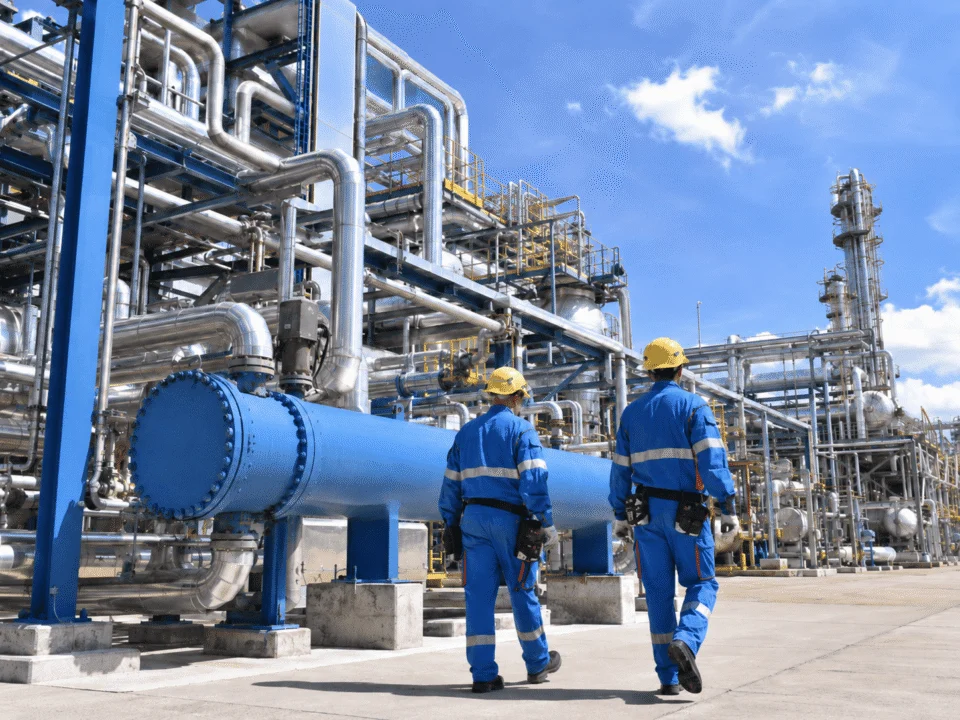
Oil & Gas Industry
For pressure holding, separation, filtration and heat exchange needs in oil and gas projects where reliability and traceability are important.
- Separators, filter vessels and pressure tanks
- Heat exchangers and process vessels
- Project-specific nozzle and support design

Pharmaceutical Industry
For cleanable process vessels and stainless steel equipment where internal finish, dead corners and cleaning method cannot be ignored.
- Stainless steel vessels and sanitary tanks
- Mixing, heating, cooling and cleaning support
- 316L, polishing and documentation options

Food & Beverage Industry
For processing, storage and heat transfer equipment where hygiene, cleaning access and stainless steel fabrication affect product safety.
- Sanitary storage tanks and process vessels
- Mixing tanks and heat exchange equipment
- Food-contact surface and cleaning requirements

Dairy Industry
For milk, yogurt, cream and related processing where sanitary design, temperature control and easy cleaning are project priorities.
- Sanitary tanks and stainless steel vessels
- Heating, cooling and mixing configurations
- CIP-friendly structure and smooth internal finish

Brewing & Fermentation
For fermentation, storage and process tanks where temperature control, sanitary fabrication and cleaning design affect batch stability.
- Fermentation tanks and mixing vessels
- Cooling jackets, coils and insulation options
- Cleaning, manway and nozzle arrangement
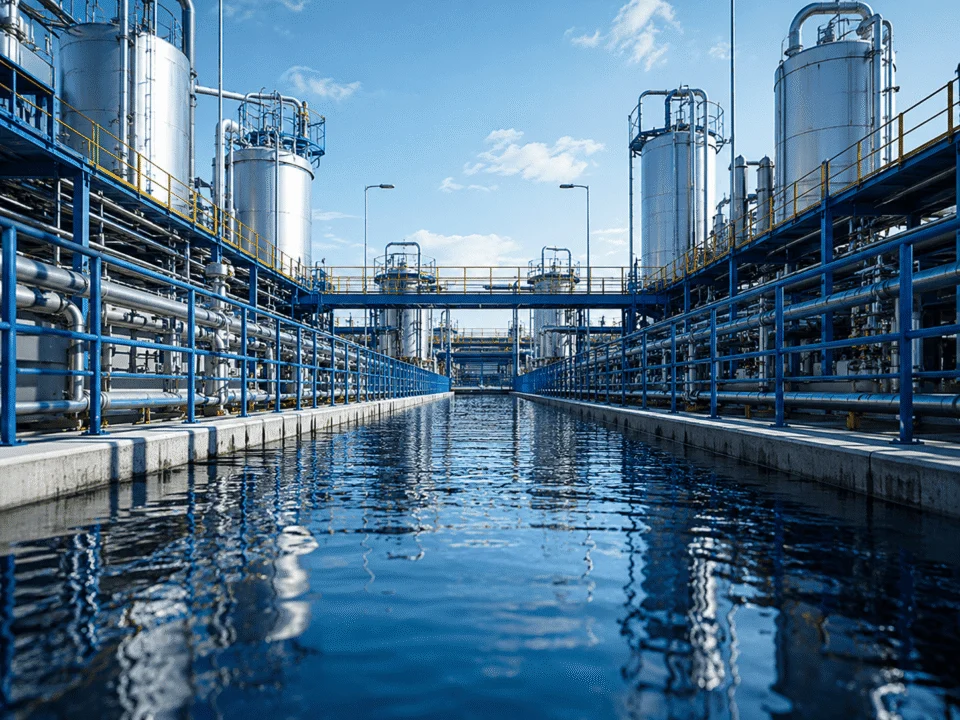
Water Treatment
For filtration, separation, softening and pressure holding applications where vessel structure, coating and internal parts need clear confirmation.
- Filter vessels, pressure tanks and separators
- Carbon steel or stainless steel construction
- Internal distribution and anti-corrosion options

New Energy Industry
For battery materials, solvent handling, reaction, storage and thermal process equipment where corrosion, sealing and cleanliness may affect output.
- Reactors, storage tanks and process vessels
- Heat exchangers and customized skid systems
- Material, sealing and cleanability review
Not Sure Which Industry Page Fits Your Project?
Send your medium, capacity, pressure, temperature, material preference or drawings. ChannelVessel can help review the equipment scope before quotation.
Process Challenges That Change Equipment Design
A pressure vessel is not selected by capacity alone. Hidden process conditions can change material choice, structure, inspection scope and even delivery risk.

Corrosion Starts At Weld Areas
What We Check: Medium, concentration, chlorides, cleaning liquid, service life
Sanitary Design Is More Than Polishing
What We Check: Drainability, dead corners, CIP coverage, gasket choice, weld finish

High Viscosity Changes The Whole Design
What We Check: Agitator type, motor power, heat transfer, discharge, foaming

Pressure And Temperature Affect More Than Wall Thickness
What We Check: Flange rating, nozzle reinforcement, gasket, supports, thermal expansion

Nozzle Direction Can Become A Site Problem
What We Check: Nozzle orientation, platform access, lifting space, maintenance clearance

Inspection Requirements Should Be Fixed Before Welding
What We Check: ASME, NDT, hydro test, material certificates, third-party inspection
Good equipment decisions start with real process conditions, not just capacity and material.
Materials, Standards And Testing Behind The Equipment
Material choice, fabrication control, inspection level and document requirements all affect equipment reliability, project approval and long-term operation.
Material Selection
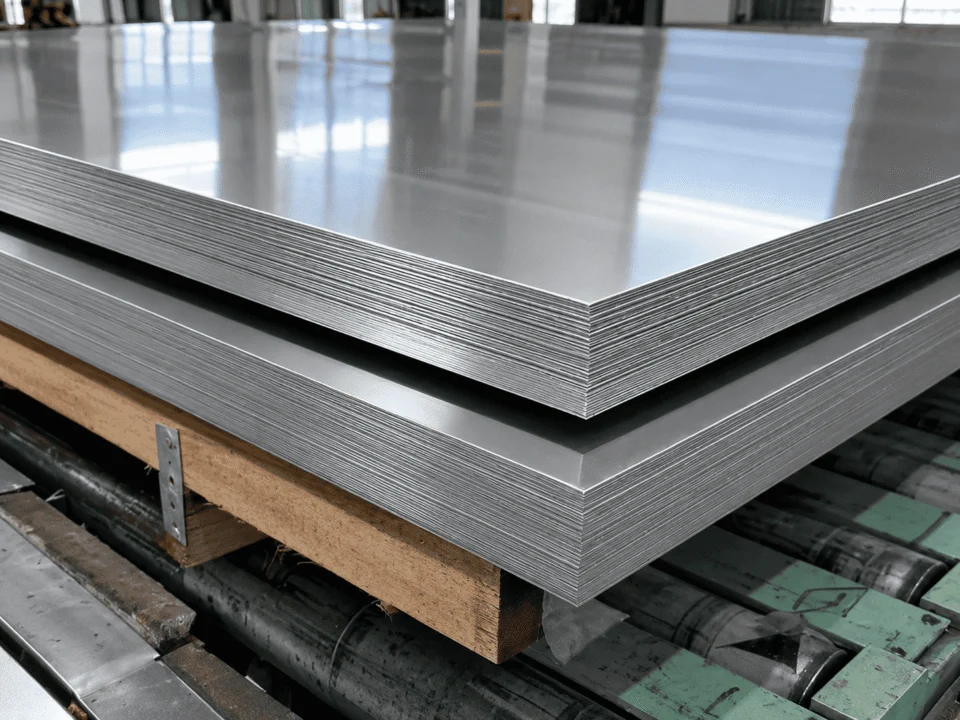
SS304
Used for general stainless steel applications where corrosion risk is moderate and the process conditions are relatively stable.
SS316L
Preferred when stronger corrosion resistance, cleaner internal finish or sanitary requirements are important.
Carbon Steel
Suitable for certain non-corrosive or cost-sensitive pressure applications when the process conditions allow it.
Lining / Coating
Reviewed when the medium is corrosive and a protective internal layer may help balance performance and cost.
Gaskets & Seals
Seal material should match temperature, medium and cleaning method to reduce leakage, aging or contamination risk.
Fabrication Control
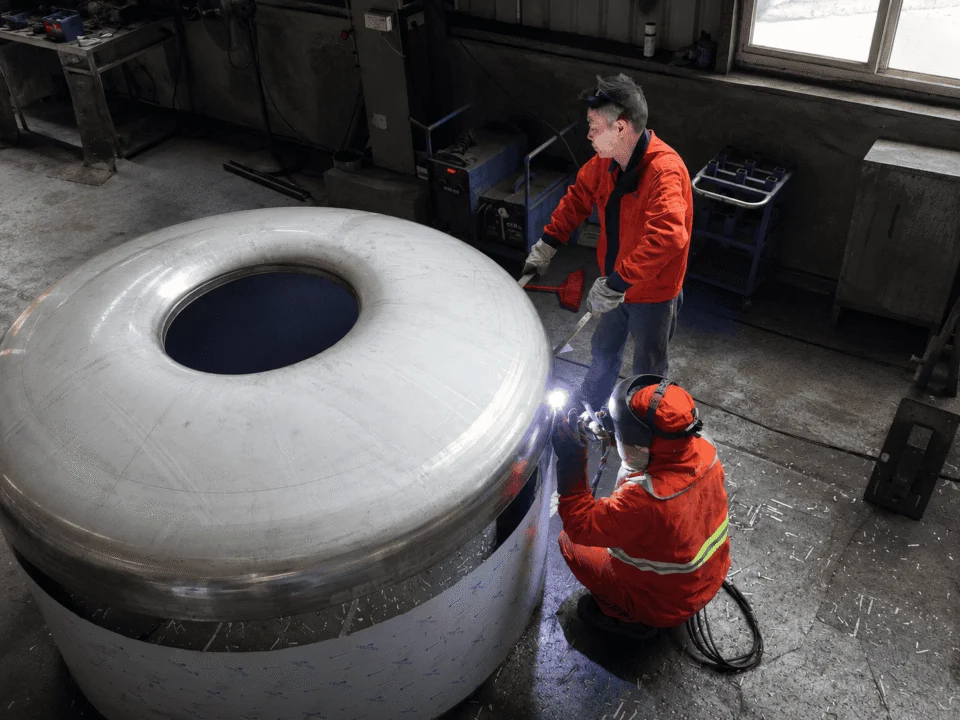
Welding Procedure
Welding method should match material, wall thickness, pressure level and inspection requirements.
Welder Qualification
Pressure vessel welding requires controlled workmanship and traceable records, not just clean-looking welds.
Nozzle & Flange Details
Nozzle orientation, flange rating, sealing surface and reinforcement can affect installation and operation.
Surface Finish
Food, dairy and pharmaceutical applications may require smoother internal finish and easier cleaning access.
Dimensional Inspection
Equipment size, support position and nozzle direction should be checked before shipment to reduce site rework.
Testing & Documents
ASME / Design Code
Code and document requirements should be confirmed before design, quotation and fabrication.
NDT
RT, UT, PT or MT can be selected according to code, weld type, vessel risk and project requirement.
Pressure Testing
Pressure testing verifies the pressure-holding ability of the vessel before shipment.
Leak Test
Leak testing can be reviewed for jackets, piping, seals or special structures when required.
Good equipment is not only about material grade. It also depends on welding control, inspection level, testing records and complete project documentation.
Send Your Process Conditions. Get A More Useful Equipment Proposal.
The right pressure vessel or process equipment starts with real working conditions. Share your medium, pressure, temperature, capacity, drawings and inspection requirements, and ChannelVessel will review the equipment scope before quotation.